

Five Card Draw Poker Strategy: From First Deal to Final Fold

Five card draw poker rewards players who read the table as carefully as their own hand. After twenty-five years in gaming and three decades in creative industries, I’ve seen the same mistake in both worlds – people over-specialise early. The gap between casual punters and steady winners comes down to a few repeatable habits. This walkthrough covers the practical decisions a player makes from the moment they sit down through the showdown.
Reading Your Starting Hand and Position
The first thing I tell newcomers is that five card draw isn’t really five random cards – it’s five cards wrapped in position and stack depth. Before you look at anything else, note where you’re sitting relative to the dealer button. Acting later lets you react to information; acting first means you’re the information others react to. Both have their place, and the comparison matters more than newcomers reckon.
A reasonable opening range from early position looks tighter than what you’d defend on the button. Pairs, suited connectors down to 8-7, and aces with decent kickers are baseline. Late position opens up – suited one-gappers and broadways become playable. I’ve watched Melbourne home games where players limp every hand to keep the action moving, and they’re the same ones who bleed stacks over an arvo.
Bankroll sizing ties to position discipline. Buy in for at least twenty big blinds to absorb variance, whether you’re at a Melbourne card room or a licensed Australian online operator. Sitting down short-stacked forces you into push-or-fold mode, which isn’t really five card draw strategy. Players weighing the online landscape can compare the structures at pokiesnet-au-pay1d.com before committing a session.
The Draw Phase: What to Keep and What to Bin
The draw round is where five card draw earns its name, and where most players either build a plan or surrender the pot. After the deal you have one swap: discard zero to five cards and receive the same number back. Every decision is a probability question disguised as instinct. Keep pat with trips, two pair, or a strong straight draw, and stand pat to disguise strength.
Three-card draws are the heart of strategy. Discarding three to chase a flush or straight is standard when the pot offers proper odds. Two-card draws work best with a pair plus a higher draw, or a low pair with backdoor straight potential. Drawing five fresh cards with ace-jack offsuit is a classic leak – you might catch a king, but rarely what you need.
Rigid loyalty to a favourite hand type is the enemy. I’ve watched creative teams specialise in one favourite format and refuse to mix in other mediums, and the same habit kills poker players who only chase flushes or straights. A tight patter signals strength; a loose player drawing five is usually bluffing or lost. Switch draw type based on table texture and opponent reads.

Reading Opponents Across the Table
Reading opponents is the most underrated part of five card draw strategy, because the draw mechanic strips away community-card tells you find in Hold’em or Omaha. You have to read betting patterns instead. How a player bets on the first round, what they discard, and how they bet after the draw tells you everything. A player who fires round one and stands pat is almost never weak – they’re representing trips.
The discard itself is a free tell. Discarding one card signals one improvement, usually a strong made hand or four-to-a-flush. Discarding two often means a low pair plus a draw, or a busted hand. Discarding four or five is usually desperation or a specific bluff – they want bethelfoundationusa.com you to think they were drawing to something.
The Australian scene differs from the US. American cardrooms in Nevada trade on the slow roll and Hollywood bluff, but Melbourne home games run on social etiquette – no worries mate, second dealing is rare because everyone knows everyone. Reading opponents locally means reading stakes and history more than physical tics, even when players sit less than a metre apart, but the same strategic logic applies wherever cards are dealt.
Comparing Edge Across Games and Jurisdictions
Strategic players eventually ask where the best return sits, and that’s a question about house edge rather than feel. The la partage rule on French roulette returns half an even-money bet when the ball lands on zero, softening the house edge compared with American double-zero wheels. Five card draw poker handles edge differently – no built-in percentage on the hand itself, but rake on each pot is the venue’s cut.
International comparison sharpens the picture. UK rooms often cap rake at a fixed pound amount per hand, giving skilled grinders a measurable edge they can budget against. New Zealand trusts run on a community-licence model where machine play subsidises table games, lifting effective return on poker. None of these structures change your fundamental strategy, but they change which games reward study.
For players weighing other verticals, the Australian scene runs on state-issued licences and regulated online operators, so always check the licence on any site before depositing. Offshore operators aren’t regulated locally, which means the protections of a Crown Melbourne table don’t transfer across the border.
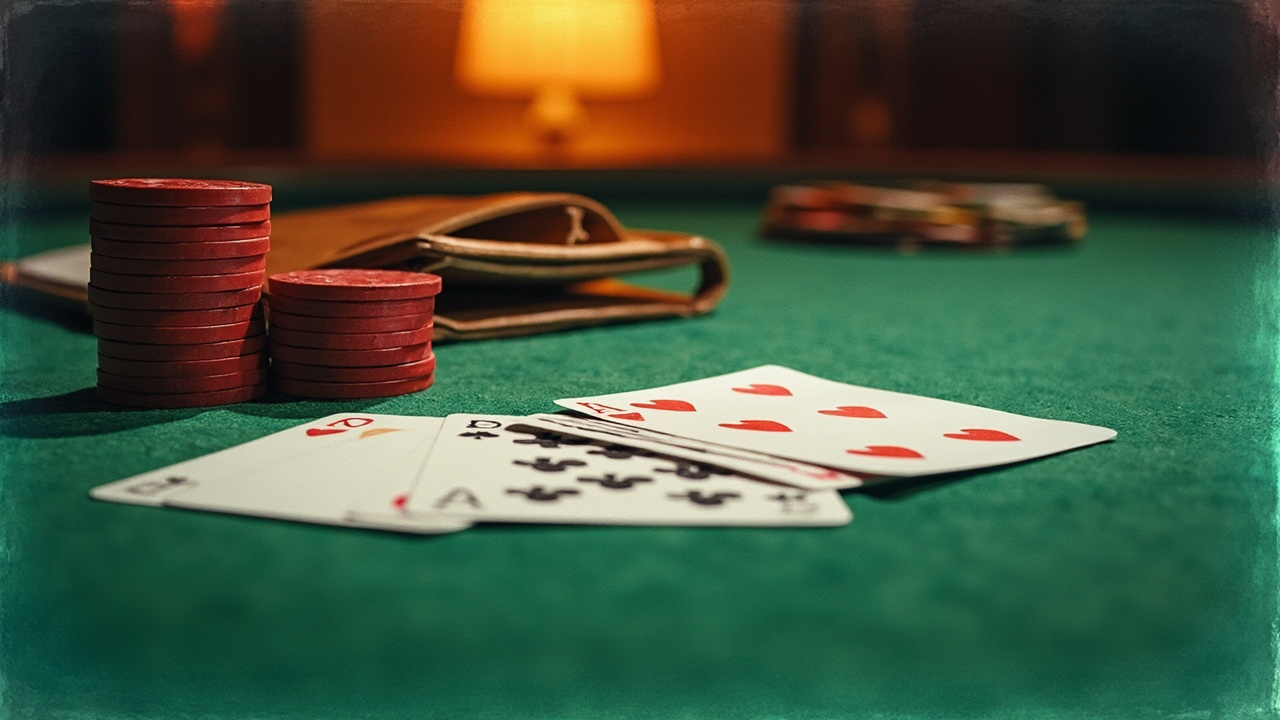
Five card draw poker rewards players who treat each hand as a small decision chain rather than a single event. Position, draw discipline, opponent reads, and venue selection all stack together, and the players who grind out steady returns usually practise all four. Whatever the stakes, the fundamentals stay the same: patience at the deal, honesty about the draw, and a clear head when the bets go in.
About The Author
